Yeast extract and gout: the purine hiding in savory snacks
Yeast extract is the most purine-dense ingredient you will find on a snack label. The USDA/ODS-NIH purine database puts dried yeast at 847 mg of purines per 100 g and Kaneko 2014 measured brewer's yeast at about 3,000, against 131 to 289 mg for chicken breast; yeast extract is made by breaking yeast cells down and concentrating the soluble part, so it sits in the same range. It is also common: on US labels we checked, 24% of chips, 28% of cheese puffs, 15% of crackers, 5% of popcorn and 3% of flavored nuts list yeast extract or autolyzed yeast. The honest caveat is dose. A seasoning blend is a few percent of the snack by weight, so a 30 g bag with 1% yeast extract adds on the order of 3 mg of purines, small next to a chicken breast. We flag it because it is the one ingredient that turns a low-purine snack into a daily purine source, it hides behind 'seasoning' and 'natural flavor', and bag-a-day habits are where snack purines add up.
What to check on the label
- The names it goes by: yeast extract, autolyzed yeast, hydrolyzed yeast, and sometimes only 'seasoning' or 'natural flavor' on the front of pack.
- Where it clusters: cheese, sour cream and onion, barbecue, ranch and 'bold' flavors. Plain salted versions of the same snack almost never carry it.
- Frequency, not one bag. A flavored-chip habit of a bag a day is a different exposure from an occasional handful.
- Meat, chicken and fish extracts and bouillon powders, which carry purines for the same reason and often sit next to yeast extract in the same seasoning.
The gout-friendliest yeast extract
The plain salted version of the same snack. Plain potato chips, lightly salted popcorn, plain crackers and plain roasted nuts carry no yeast extract; the flavor dust is where it lives.
Yeast extract to limit or skip
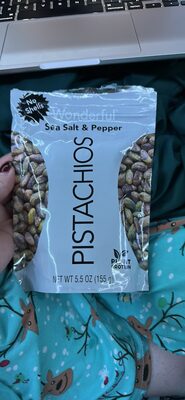
Wonderful
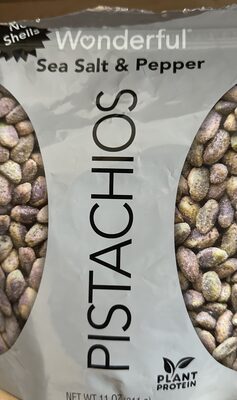
Wonderful
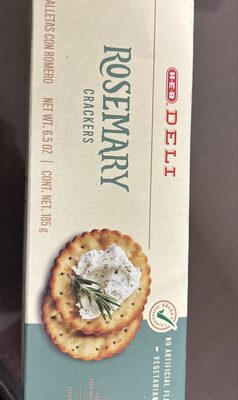
HEB Deli
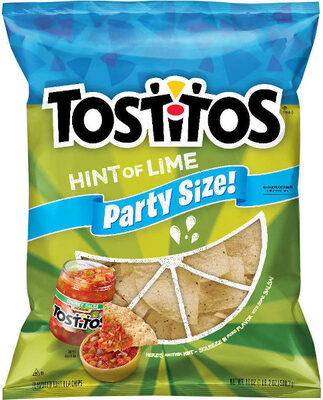
Fritolay
Frequently asked
Is yeast extract bad for gout?
It is the most purine-dense ingredient on a snack label: dried yeast measures 847 mg of purines per 100 g and brewer's yeast about 3,000, versus 131 to 289 for chicken breast. In a seasoning blend the dose per bag is small, so treat it as a frequency problem: fine occasionally, worth avoiding as a daily habit.
Which snacks contain yeast extract?
Mostly savory flavored ones. On US labels we checked, yeast extract or autolyzed yeast appears on 24% of chips, 28% of cheese puffs, 15% of crackers, 5% of popcorn and 3% of flavored nuts. It clusters in cheese, sour cream and onion, barbecue and ranch flavors and is rare on plain salted versions.
Is nutritional yeast bad for gout?
Nutritional yeast is dried yeast, which measures 847 mg of purines per 100 g. A tablespoon is about 5 g, so roughly 40 mg of purines, similar to a small serving of meat. An occasional sprinkle is a modest amount; using it as a daily cheese substitute adds up.
Does the yeast in bread matter for gout?
No. Baking uses a tiny amount of yeast and the purines end up diluted: white bread measures about 12 mg of purines per 100 g and a baguette 16 in the USDA database, among the lowest values for any food. Bread is not a gout concern on purines.
How does the app handle yeast extract?
SuitBite reads the full ingredient list and flags yeast extract, autolyzed yeast and meat, chicken and fish extracts as concentrated purine sources, with a note on portion, rather than failing the product outright, because the dose in a seasoning is small. The flag is there so a daily snack does not become a hidden purine habit.
See also how to spot hidden gout triggers on any label. Related: Chocolate and gout · Popcorn and gout · Granola and gout · Dried fruit and gout · Nuts and gout · Pretzels and gout.